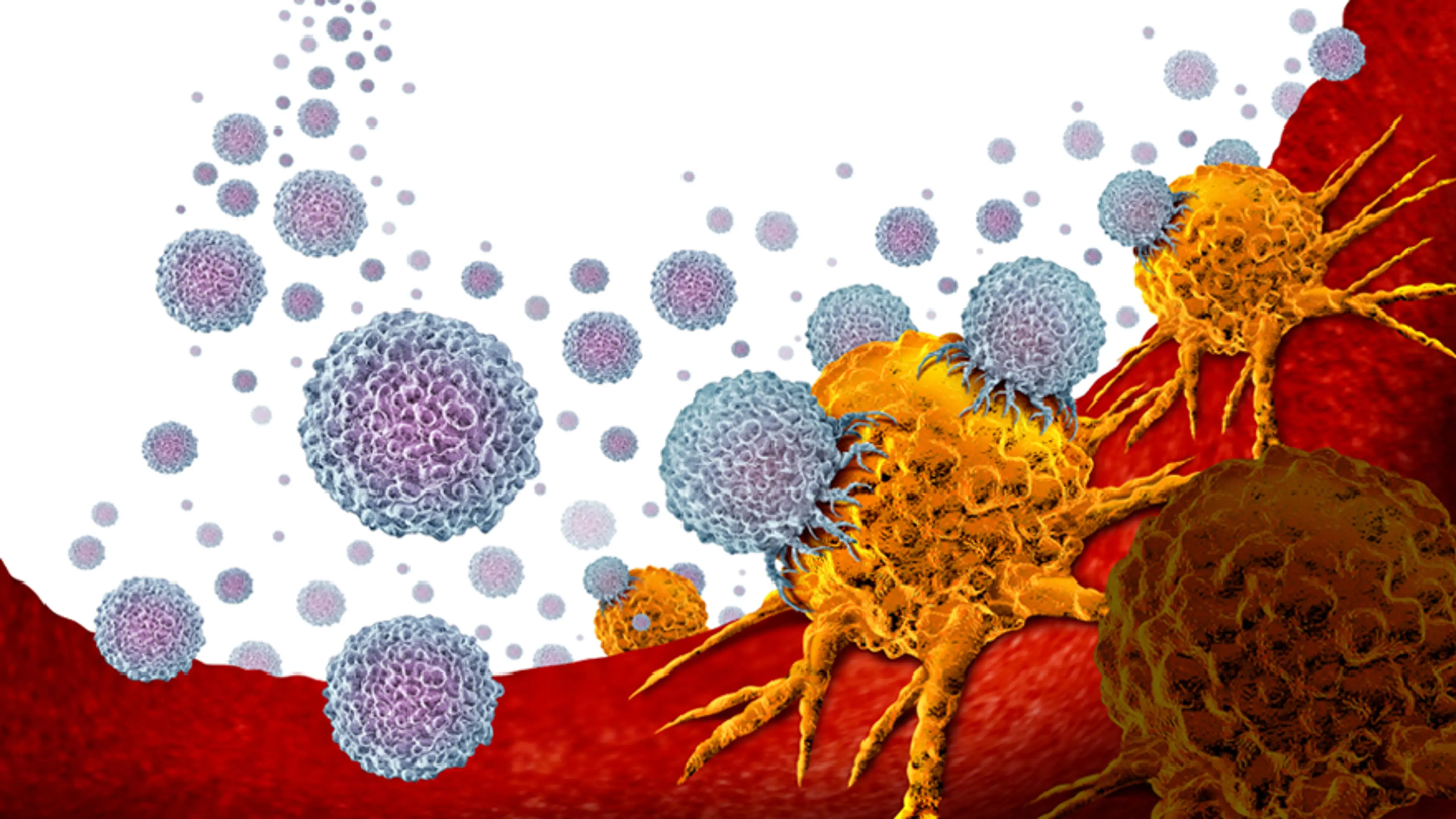
If you’ve ever wondered why some people recover more smoothly from cancer treatments while others struggle with fatigue, inflammation, or recurrent illness, the answer often lies in one word: immunity. Your immune system isn’t just a line of defense—it’s the foundation of your body’s ability to heal, regenerate, and fight back. At New Breath Hospital in Songpa-gu, Seoul, we’ve seen firsthand how strengthening immunity through integrative cancer therapies can transform outcomes for patients, restoring not only health but also confidence and energy.
Understanding the Immune System’s Role in Cancer
understanding-the-immune-system's-role-in-cancerTo understand why the immune system is so critical in cancer care, imagine your body as a city. The immune system is its security force—constantly scanning for invaders, repairing damage, and removing threats. Cancer, however, is a unique challenge. It disguises itself as part of the city, tricking the immune cells into overlooking it. Over time, these malignant cells multiply and form tumors that avoid detection.
Traditional treatments like chemotherapy and radiation are powerful tools for destroying cancer cells, but they can also weaken the body’s natural defenses. This is where integrative oncology steps in—helping rebuild and re-energize the immune system so it can recognize and attack cancer cells more effectively, while supporting the patient’s overall vitality and resilience.
The Philosophy of Integrative Immuno-Oncology
the-philosophy-of-integrative-immuno-oncologyIntegrative immuno-oncology combines the precision of modern cancer treatment with the wisdom of holistic care. It’s not about choosing between conventional and alternative medicine—it’s about harmonizing them. This approach sees the body not as a battlefield but as an ecosystem, one that thrives when balance is restored.
At New Breath Hospital, our founder Dr. John Park and his team have refined this philosophy through decades of research and clinical experience. Drawing on advanced training from Harvard Medical School and the Riordan Clinic, Dr. Park leads a medical program that emphasizes personalized immune support, nutritional optimization, and metabolic balance. Every therapy is designed to support the body’s intrinsic healing mechanisms.
The goal isn’t merely to remove cancer cells—it’s to help the body remember how to heal itself. By restoring the immune system’s “intelligence,” integrative therapies empower patients to sustain long-term wellness.
Why Immune Support Matters in Cancer Recovery
why-immune-support-matters-in-cancer-recoveryAfter any major cancer therapy, the immune system is under tremendous stress. Chemotherapy and radiation, while effective, often damage healthy immune cells. The resulting fatigue, vulnerability to infection, and slower healing can significantly impact recovery. Integrative immune support focuses on reversing these effects through scientifically grounded, natural means.
Supporting the immune system during and after cancer treatment helps to:
Rebuild white blood cell production after chemotherapy or radiation.
Enhance natural killer (NK) cell function, allowing the body to better detect abnormal cells.
Regulate inflammation, promoting tissue repair and reducing oxidative stress.
Improve metabolic and mitochondrial health, supporting energy restoration and detoxification.
Patients with a stronger immune response not only tolerate treatments better but also experience improved quality of life, faster recovery, and lower recurrence rates.
Core Integrative Cancer Therapies that Boost Immunity
core-integrative-cancer-therapies-that-boost-immunity
At New Breath Hospital, immune restoration is central to every treatment plan. While each patient’s program is tailored to their medical and metabolic profile, several key therapies consistently show powerful benefits for immune enhancement.
1. Super NK Cell Therapy
1.-super-nk-cell-therapySuper NK Cell Therapy strengthens the immune system’s “special forces.” NK cells are specialized white blood cells that detect and destroy cancer cells without harming healthy tissue. In this therapy, NK cells are extracted from the patient’s blood, cultured, and activated outside the body before being reinfused. The process enhances their ability to identify cancer cells that might otherwise evade the immune system.
Patients often report feeling more energized and resilient. Clinical research supports NK-cell-based therapies as promising adjuncts to conventional oncology, especially in recurrent or treatment-resistant cancers.
2. Dendritic Cell Therapy
2.-dendritic-cell-therapyIf NK cells are the soldiers, dendritic cells are the strategists. They help “train” the immune system by presenting tumor antigens to T-cells, teaching them to recognize and target cancer cells more efficiently. In Dendritic Cell Therapy, the patient’s dendritic cells are harvested, activated, and returned to the body to strengthen immune coordination.
This method works synergistically with NK Cell Therapy, amplifying the immune system’s overall precision. Many patients who receive this therapy report improved stamina and a sense of renewed inner strength.
3. High-Dose Vitamin C Infusions
3.-high-dose-vitamin-c-infusionsVitamin C, at pharmacological doses, behaves as both an antioxidant and a pro-oxidant. In healthy cells, it strengthens tissue and supports immune defense, but in cancer cells, it creates oxidative stress that can trigger apoptosis (cell death). High-Dose Vitamin C Infusions are also known to enhance detoxification and reduce chemotherapy-induced fatigue.
Dr. Park often summarizes it simply: “The purpose isn’t to overwhelm the body with substances—it’s to send the right biological messages that promote recovery.” This form of therapy is safe, non-toxic, and supported by emerging clinical studies as an adjunct to integrative cancer care.
4. Oncothermia (Localized Hyperthermia)
4.-oncothermia-(localized-hyperthermia)Oncothermia, or localized hyperthermia, applies precise heat to cancer-affected areas. Cancer cells are more sensitive to heat than normal cells, and controlled thermal therapy can increase tumor oxygenation and improve the immune system’s ability to penetrate tumor tissue. This technique enhances the effectiveness of immunotherapy and other cancer treatments.
Patients often find the procedure relaxing, describing a gentle warmth that eases pain and inflammation. Oncothermia is particularly valuable for patients seeking non-invasive complementary options to enhance treatment effectiveness.
5. Nutritional and Metabolic Support
5.-nutritional-and-metabolic-supportNutrition forms the backbone of immune recovery. Deficiencies in zinc, selenium, magnesium, and vitamin D can compromise immune function. At New Breath Hospital, nutritional programs are individualized through lab testing and metabolic analysis. These often include:
Personalized anti-inflammatory diets based on blood markers.
IV nutrient infusions for efficient cellular uptake.
Microbiome support to enhance gut-immune communication.
Food becomes medicine when the body is guided to absorb and utilize it efficiently. Proper nutrition restores cellular health, supports hormone balance, and stabilizes immune function.
The Emotional and Psychological Dimension of Immunity
the-emotional-and-psychological-dimension-of-immunityHealing is not only biological—it’s deeply emotional. Chronic stress and fear can suppress the immune system by elevating cortisol and inflammatory cytokines. Many patients find that emotional healing is just as crucial as medical treatment.
At New Breath Hospital, mind-body therapies such as mindfulness, guided breathing, and therapeutic counseling are part of the recovery process. These practices help regulate the nervous system, reducing stress hormones and restoring equilibrium. When the mind calms, the body follows, and immune resilience improves naturally.
Patients are often surprised by how much their emotional well-being influences physical healing. As one patient said, “When I finally stopped fighting my body and started listening to it, everything began to change.”
The Science Behind Integrative Immunity
the-science-behind-integrative-immunityModern research increasingly validates the integrative approach. Studies from major institutions such as Harvard Medical School and the National Cancer Institute show that patients with strong NK cell activity and balanced inflammatory markers have significantly better survival outcomes. Immunotherapies combined with metabolic and nutritional interventions demonstrate synergistic effects, improving both treatment tolerance and quality of life.
Emerging evidence also highlights the role of gut health, sleep, and stress management in regulating immune activity. Integrative oncology brings these findings into practice, turning cutting-edge research into patient-centered care.
What Patients Often Experience After Immune-Boosting Therapy
what-patients-often-experience-after-immune-boosting-therapy
Patients who undergo immune-focused integrative care frequently describe it as “getting their strength back.” They experience deeper sleep, improved appetite, clearer focus, and enhanced emotional stability. The body feels lighter, more responsive. These aren’t just side benefits—they’re signals of immune recovery and renewed vitality.
To be honest, what people often overlook is that the immune system isn’t just an army—it’s also a communication network. When it begins to function harmoniously again, patients often report an unshakable sense of calm and confidence in their own body’s wisdom.
How to Begin Strengthening Your Immunity Naturally
how-to-begin-strengthening-your-immunity-naturallyIf you’re currently in treatment, in remission, or seeking preventive care, there are practical steps you can take:
Assess your immune function with personalized lab testing for NK-cell activity, inflammatory markers, and nutrient levels.
Consult an integrative oncologist experienced in immune-based and metabolic therapies.
Adopt restorative lifestyle practices—nutrient-dense eating, adequate rest, deep breathing, and mindful exercise.
Explore complementary options such as vitamin infusions or Oncothermia, under medical supervision.
These steps form the foundation for rebuilding resilience, improving treatment outcomes, and fostering long-term wellness.
A New Breath of Hope
a-new-breath-of-hopeAt New Breath Hospital, we believe that true cancer care means treating the whole person—not just the disease. Every cell, every breath, every emotional moment contributes to recovery. By combining advanced immuno-oncology with holistic, personalized care, Dr. John Park and his team help patients rediscover their innate capacity to heal.
If you’re ready to strengthen your immunity, restore your energy, and reclaim a sense of balance in your life, consider scheduling a personalized evaluation at New Breath Hospital in Songpa-gu, Seoul. It may be your first step toward a new breath—one that leads to vitality, resilience, and lasting health.